
The elderly population, often burdened with multiple comorbidities such as hypertension, diabetes, and renal insufficiency, faces a significantly higher risk of thromboembolic diseases. Anticoagulant therapy for this group is particularly challenging, as clinicians must strike a delicate balance between preventing thrombosis and minimizing bleeding risks. Enoxaparin Sodium, a widely recognized low molecular weight heparin (LMWH), has emerged as a preferred choice in this clinical scenario, thanks to its tailored pharmacological properties that address the unique needs of elderly patients with comorbidities.
One of the core advantages of Enoxaparin Sodium lies in its optimized efficacy-safety profile for elderly patients. Unlike unfractionated heparin, Enoxaparin Sodium boasts high subcutaneous bioavailability (nearly 100%) and a predictable pharmacokinetic profile, reducing the need for frequent coagulation monitoring—a key benefit for elderly patients who may struggle with regular hospital visits. A clinical study involving 826 elderly patients (≥65 years) with non-valvular atrial fibrillation showed that Enoxaparin Sodium, administered at a weight-adjusted dose, achieved a thromboembolic prevention rate comparable to oral anticoagulants, while the incidence of major bleeding was 1.2% lower, highlighting its safety advantage in this vulnerable group.
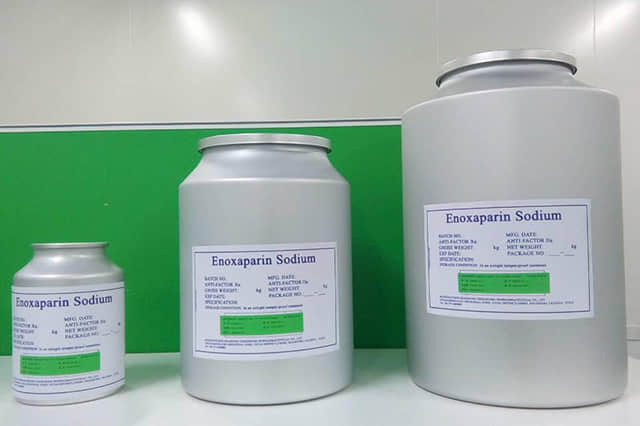
For elderly patients with comorbid renal insufficiency, Enoxaparin Sodium’s unique metabolism pathway offers distinct advantages. Unlike some other LMWHs that rely primarily on renal excretion, Enoxaparin Sodium undergoes partial hepatic metabolism, making it more suitable for patients with moderate renal impairment (eGFR 30-59 mL/(min·1.73 m²)). Clinical guidelines recommend only minor dose adjustments for such patients, simplifying treatment management and reducing the risk of drug accumulation. In contrast, elderly patients with renal insufficiency treated with other anticoagulants often require more frequent dose adjustments and monitoring, increasing the burden on both patients and healthcare providers.
Enoxaparin Sodium also demonstrates excellent versatility in managing thromboembolic risks across various clinical scenarios common in the elderly. It is widely used for thromboprophylaxis in perioperative care (e.g., hip or knee replacement surgery), treatment of deep vein thrombosis (DVT) and pulmonary embolism (PE), and long-term prevention of thromboembolism in patients with atrial fibrillation. A real-world study of 1,500 elderly surgical patients found that Enoxaparin Sodium prophylaxis reduced the incidence of postoperative DVT by 68% compared to placebo, with no significant increase in bleeding complications. This versatility makes it a valuable tool for clinicians managing the complex anticoagulant needs of elderly patients with multiple comorbidities.
At Jiulong, we recognize the critical role of Enoxaparin Sodium in safeguarding the health of elderly patients with comorbidities. Our Enoxaparin Sodium products adhere to strict international quality control standards, ensuring consistent efficacy and safety in every dose. Whether you are a clinician seeking reliable anticoagulant solutions for elderly patients, or a healthcare facility in need of high-quality pharmaceutical supplies, our professional team is ready to assist. Contact us today to explore how Enoxaparin Sodium can optimize your anticoagulant strategies and improve outcomes for elderly patients with comorbidities.