
Anticoagulant therapy is a cornerstone in managing thromboembolic risks across diverse clinical scenarios, from perioperative care to chronic disease management. Among low molecular weight heparins (LMWHs), Enoxaparin Sodium and Dalteparin Sodium are two widely used agents, each with distinct pharmacological profiles that enable personalized treatment approaches. Understanding their key differences and optimal application scenarios is crucial for clinicians to balance antithrombotic efficacy and safety, while meeting the unique needs of special populations such as pregnant women, elderly patients, and those with renal insufficiency.
The pharmacological distinctions between Enoxaparin Sodium and Dalteparin Sodium lay the foundation for their clinical differentiation. Enoxaparin Sodium features a higher anti-factor Xa/anti-factor IIa ratio (4.1 vs 2.4 for Dalteparin Sodium) and nearly 100% subcutaneous bioavailability, which contributes to a lower bleeding risk—a significant advantage in high-bleeding-risk procedures. In contrast, Dalteparin Sodium has an average molecular weight of 5000 Da and a longer half-life in certain populations, making it suitable for both short-term acute treatment and long-term thromboprophylaxis. These differences are not merely theoretical; they directly guide clinical decision-making, especially in perioperative bridge therapy for patients on long-term anticoagulation.
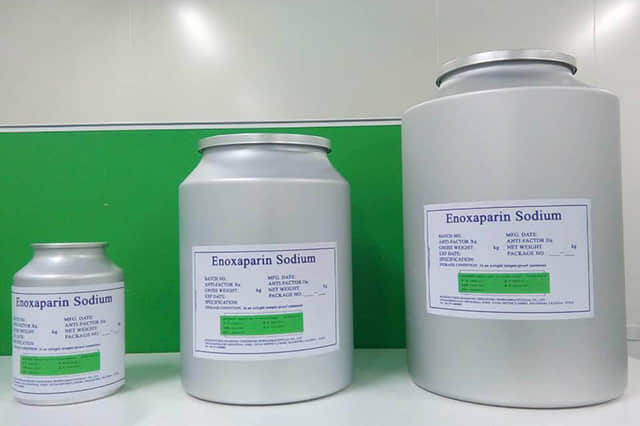
In perioperative management, both Enoxaparin Sodium and Dalteparin Sodium play vital roles as bridge therapies, but their applications are tailored to patient-specific risks. For patients with high thromboembolic risk (e.g., atrial fibrillation with CHA2DS2-VASc score ≥2) undergoing non-cardiac surgery, guidelines recommend LMWH bridge therapy. Dalteparin Sodium is typically administered at 100 IU/kg twice daily, while Enoxaparin Sodium uses a 1 mg/kg twice-daily regimen, with adjustments based on surgical bleeding risk. A key advantage of Enoxaparin Sodium lies in its hepatic metabolism, allowing dose adjustment for patients with moderate to severe renal insufficiency (eGFR < 30 mL/(min·1.73 m²)), whereas Dalteparin Sodium, primarily renally excreted, requires more cautious use in this population.
Both agents excel in serving special populations, with evidence-based applications in obstetrics and pediatrics. Neither Enoxaparin Sodium nor Dalteparin Sodium crosses the placental barrier or is secreted in breast milk, making them the preferred LMWHs for preventing and treating venous thromboembolism (VTE) during pregnancy and lactation. For pregnant women with antiphospholipid syndrome, Enoxaparin Sodium at 2850 IU daily or Dalteparin Sodium at preventive doses combined with low-dose aspirin significantly improves pregnancy success rates. In pediatrics, Dalteparin Sodium is approved for children over 1 month old for symptomatic thromboembolism reduction, while Enoxaparin Sodium is widely used off-label with weight-based dosing, highlighting their versatility in vulnerable populations.
At Jiulong, we recognize the pivotal roles of Enoxaparin Sodium and Dalteparin Sodium in personalized anticoagulant therapy. Our products adhere to stringent international quality control standards, ensuring consistent efficacy and safety across all formulations. Whether you are a clinician seeking tailored solutions for perioperative care or special population management, or a healthcare facility in need of reliable LMWH supplies, our professional team is ready to assist. Contact us today to explore how Enoxaparin Sodium and Dalteparin Sodium can optimize your anticoagulant strategies and safeguard patient outcomes.